

Want to know how to recognise a good human translation? Simple. You shouldn’t be able to recognise that it’s a translation at all. Being native in the target language is a must but isn’t enough. To create a translation that truly resonates, you’ve got to live and breathe the source culture, understanding its nuances and context. Human translation is a beautiful blend of cultural flair, linguistic finesse and Sherlock-level investigation.
Surprisingly, it’s often the technical stuff that begs for human intervention. Safety instructions that are anything but clear, for example, are anything but safe. Deciphering technical terms isn’t always easy and, if not done properly, can even be dangerous.
Human translation is about diving into research, nailing the jargon and finding the exact right tone.
Part of the process also involves building “translation memories”, a goldmine for translators. These are human-populated translation databases that remember every sentence ever translated, making sure future texts (commissioned by the same client) keep the same tone, using the same or similar terminology.
Glossaries are another hidden weapon of human translation. These can be cross-checked by clients for approval and are yet another means of ensuring consistency across jobs.
Human translations are also a must when the style or format of the source text are less than perfect. Humans bring intuition and knowledge to the table, smoothing out the text to deliver the perfect output.
And, last but not least, in the era of artificial intelligence when “anyone can speak English”, rest assured that the quality of a human translation is directly proportional to the translator’s experience.
And that’s something I’ve got plenty of.
Drop me a line and make a good impression on your English readers.
* THE TRANSLATOR MUST BE A NATIVE IN THE TARGET LANGUAGE
* TRANSLATION MEMORIES AND GLOSSARIES ARE KEY TO CONSISTENCY
* QUALITY IS DIRECTLY PROPORTIONAL TO THE TRANSLATOR’S EXPERIENCE

AI-powered smart translation equates to seamless communication, producing fast and functional English translations that guarantee respect for the context.
The translation industry has been bombarded in recent years by AI-powered solutions that many translators view as a threat. I, on the other hand, have gone against the grain by welcoming this new technology and using it to streamline the process, increasing productivity and cost-effectiveness while maintaining linguistic nuances.
Never before has it been so easy for people all over the world to communicate. Smart translation (otherwise known as machine translation) breaks down language barriers—which is a good thing!—allowing organisations and individuals to easily communicate across multiple languages, fuelling global growth and opportunity.
AI-assisted smart translation simply provides the foundation—a thorough rendering that captures the spirit of the text. It is then up to the skilled English translator (me!) to polish it up, correct the terminology and adjust the style, injecting it with cultural subtleties and tone to make it functional.
And, importantly, a professional translator (like me) doesn’t rely on Google. They use specialised, paid neural translation software that employs deep learning algorithms to process and understand language in a more human-like manner.
My expertise in adapting foreign texts for the English market ensures the finished product will be more than just precise. It will also have the grace and fluency of a human touch.
Combining cutting-edge technology and seasoned human editing produces a translation algorithmically tailored to your marketing needs, at near-human quality.
Reach out to discover how I work with smart translation to empower your business.
* SMART TRANSLATIONS = FUNCTIONAL TRANSLATIONS
* COMBINING TECHNOLOGY AND HUMAN EDITING CAN SPEED UP DELIVERY TIMES
* SMART TRANSLATIONS ARE A COST-EFFECTIVE STRATEGY
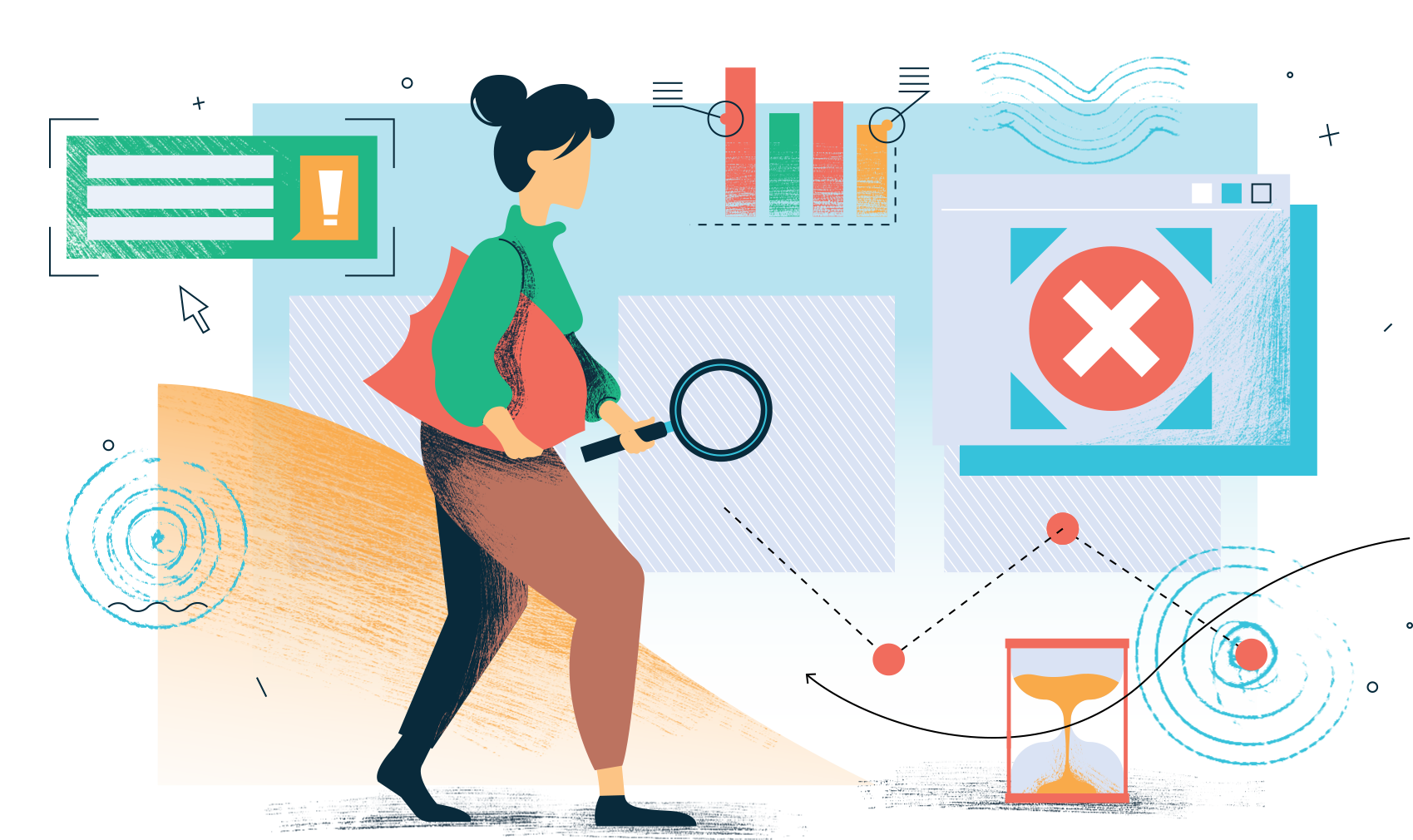
Proofreading in English involves reviewing a text that’s already in decent shape and accurately translated, without making any reference to the original. It’s about checking the flow of the text, hunting down typos and making subtle tweaks for an overall smoother read.
The beauty? The language of the source text has little bearing, since once the text reaches the proofreader, it’s assumed the translation has already been approved. So English proofreading can be applied to any source text—or any (English) text, for that matter, translation or not!
But here’s the catch—it’s got to be done by a native English speaker (me again!) and someone who’s not just fluent but also a darn good wordsmith.
It’s also very important to have a good command of different style guides, as well as the differences between UK and US English, measurement systems and lots of other details to make sure your text hits the mark.
The cost of proofreading varies depending on several factors, including the quality of the text (whether it’s in good shape or in need of some TLC), the format and, of course, how quickly you need it.
The more tweaking and formatting required, the more time it will take, which will affect the overall cost. Rush jobs might have a slightly higher price tag, but I always strive to work within your timeline.
So, when you reach out for a quote, include all this info and we’ll find the best way to make your text shine!
* PROOFREADING IS FOR TEXTS ALREADY IN GOOD SHAPE
* ENGLISH PROOFREADING IS AVAILABLE FOR TRANSLATIONS FROM ANY LANGUAGE
* ONLY A NATIVE ENGLISH SPEAKER CAN TWEAK THE TEXT TO PERFECTION